Oil, Gas & Petrochemical
Refractory and insulation solutions for reformers, heaters and reactors in oil, gas and petrochemical plants.
- 10products
- 3articles
- 5calculators
Products
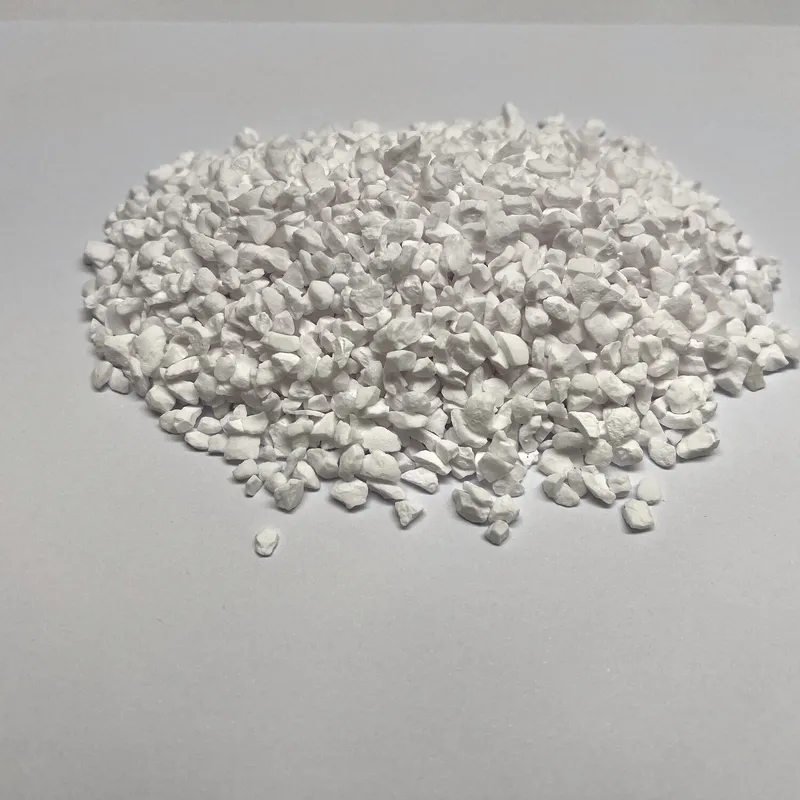
Tabular alumina is a fully sintered, densified alpha alumina produced above 1800 °C without additives. Its coarse hexagonal crystals, very low porosity, outstanding refractoriness and excellent thermal-shock resistance make it the first-choice aggregate for high-performance shaped and monolithic refractories.
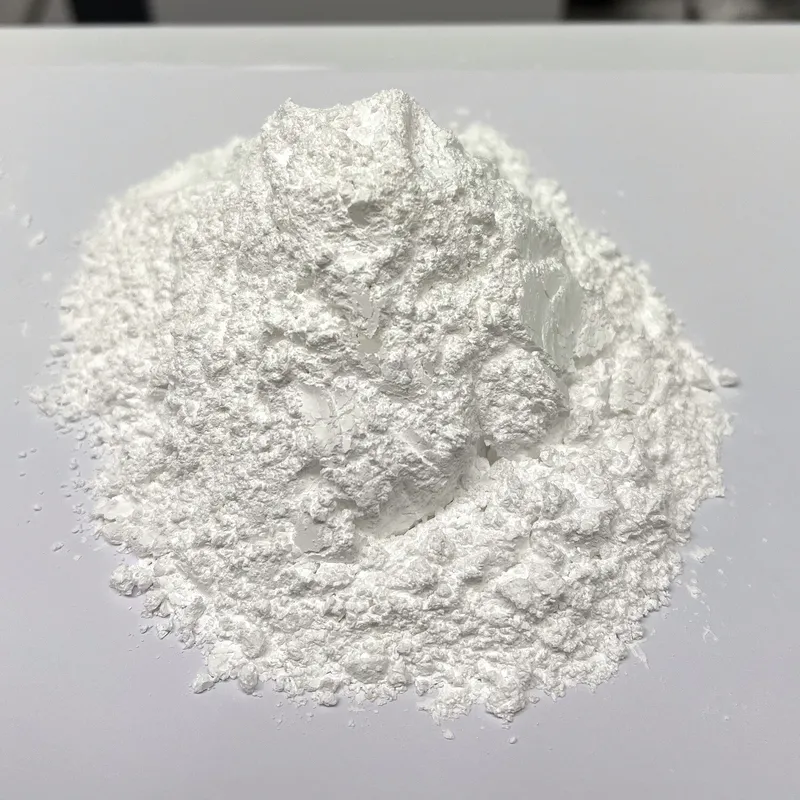
Reactive alumina has a very fine particle size and high specific surface area, acting as the matrix component of shaped and unshaped refractories. Low open porosity, excellent sintering reactivity, high purity and reduced water demand optimise the performance of low-cement and cement-free castables.
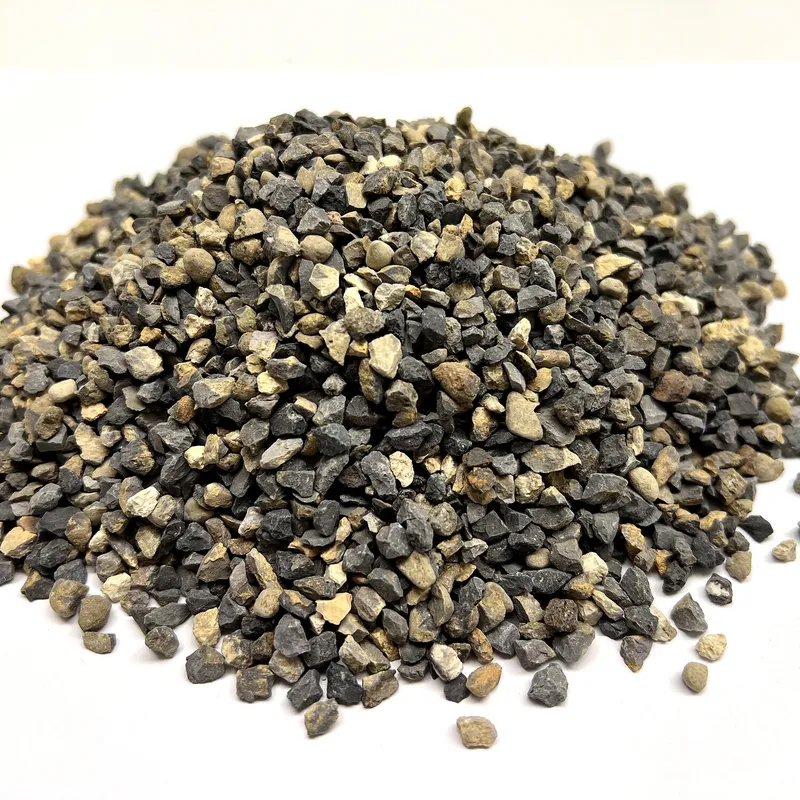
Calcined bauxite is produced by calcining low-iron, low-alkali bauxite at 1600–1800 °C, forming the refractory phases corundum and mullite. With low thermal expansion, excellent creep resistance and good chemical stability, it is among the most important raw materials for refractories in steel, foundry, glass and cement.
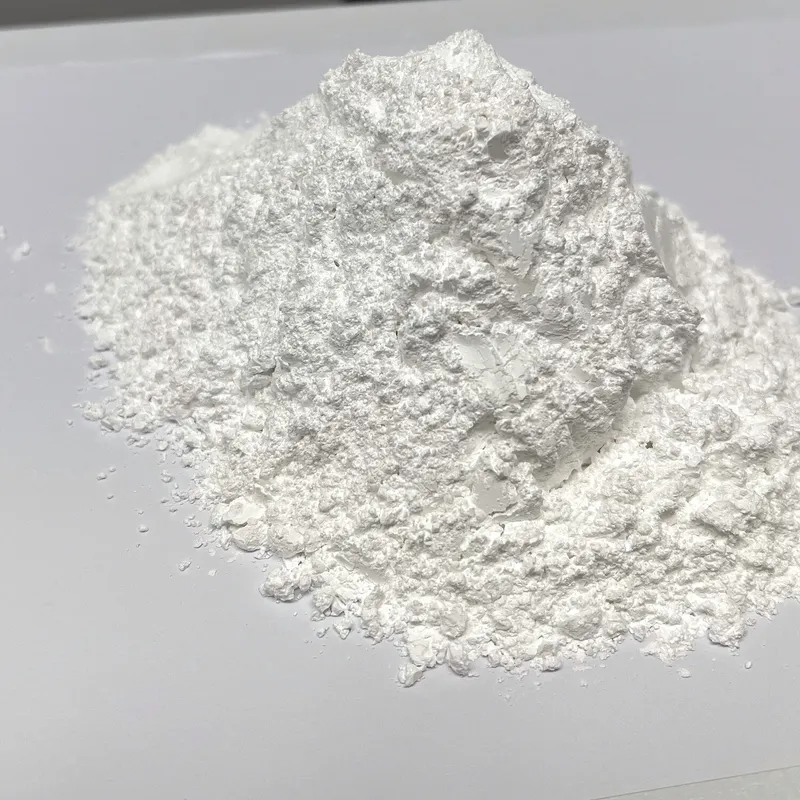
As exclusive representative of the VICAL brand, we supply pure calcium aluminate cements in a range of grades. These are the specialist binder for monolithic refractories — castable, self-flowing, shotcrete and gunning — offering rapid hardening, high mechanical strength, excellent high-temperature performance and compatibility with low-cement, ultra-low-cement and pure corundum systems.
Monolithic refractory concretes mixed with water on site and installed by casting, shotcreting or gunning. Because they cure into a joint-free lining, they close the seams through which slag and melt would otherwise penetrate, and they suit complex geometries that brickwork cannot follow.

Lightweight, highly porous firebricks in which the trapped porosity — normally a defect — is the working principle: it blocks heat flow. Used as the back-up layer behind the hot face, they cut shell losses and fuel consumption, and their low thermal mass lets a furnace heat and cool quickly.

Factory-fired shaped refractories with consistent, verified properties. Because the quality is set in the plant rather than on site, they are the safer choice for the highest-wear zones — slag lines and hot faces — where field-installed monolithics are harder to control.
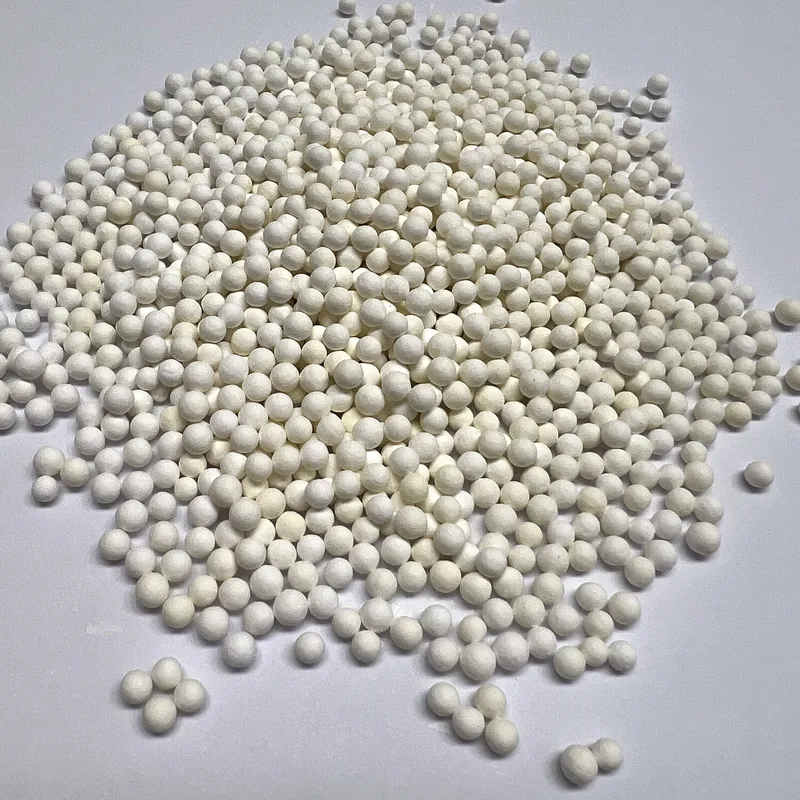
Synthetic zeolite adsorbent with a crystal lattice of uniform, precisely sized pores. It separates by molecular diameter rather than by chemistry, so it can dry a gas stream to very low dew points and pull out CO₂ or sulphur compounds that other adsorbents leave behind.
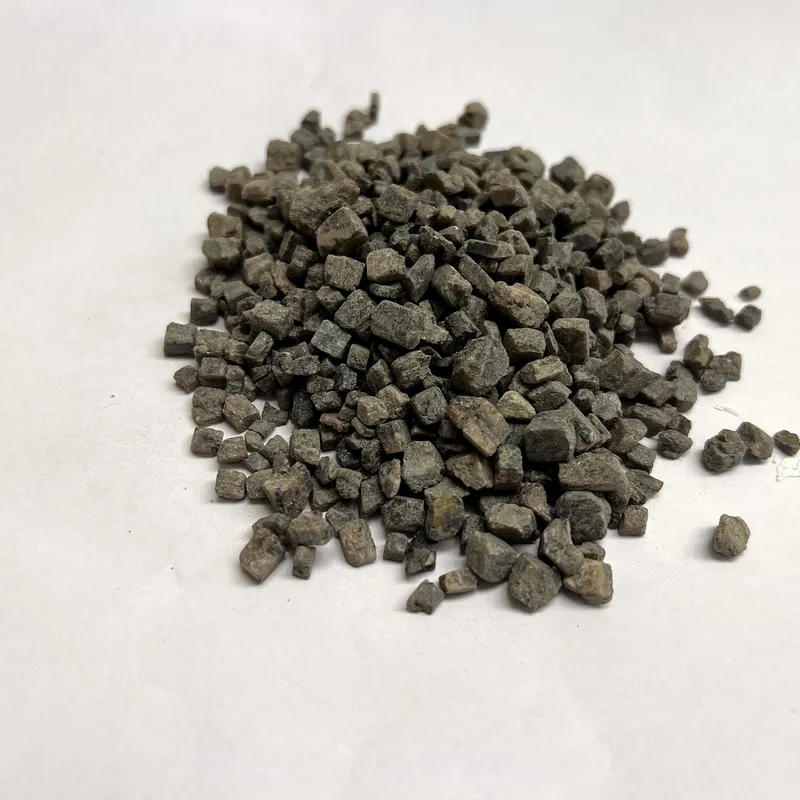
Andalusite is one of the three crystalline forms of aluminium silicate (Al₂SiO₅) in the sillimanite group and a premium raw material for high-alumina refractories. On heating it converts gradually — without sudden decomposition — into mullite and a glassy phase, and this controlled mullitisation with minimal volume expansion delivers excellent thermal-shock resistance, creep resistance and dimensional stability at high temperature.
Corundum-spinel castable with micronised fillers that flows into place under its own weight, with no vibration. That matters where a vibrator cannot reach — around well blocks, cooling pipes and complex shapes — and it fills them without the voids that vibrating from outside would leave.
Knowledge
A practical acceptance procedure: which documents to demand, how to sample a consignment representatively, and the impurities that decide whether a batch is usable.
6 min readEvery refractory datasheet reports the same handful of numbers. Knowing what each one governs — and which important properties appear nowhere on the sheet — is what separates a real comparison from a guess.
7 min readShaped bricks and castable monolithics solve the same problem differently. The choice usually turns on geometry, downtime and who installs the lining — not on which material is technically superior.
6 min readEngineering Calculators
Calculate apparent porosity, bulk density, water absorption and apparent specific gravity of a refractory by the Archimedes method, from dry, saturated and suspended weights.
Work out the mixing water for a refractory castable from the dry mass and the recommended water percentage, including water per 25 kg bag and the final wet mix mass.
Size the expansion allowance for a refractory lining from the material, the cold length and the temperature rise — the joint that stops a lining pushing itself apart.
Convert between Celsius, Fahrenheit and Kelvin for furnace and thermal work. Type into any field and the other two follow immediately.
Calculate the steady-state heat flux through a refractory wall from its thermal conductivity, thickness and the temperature difference across it.