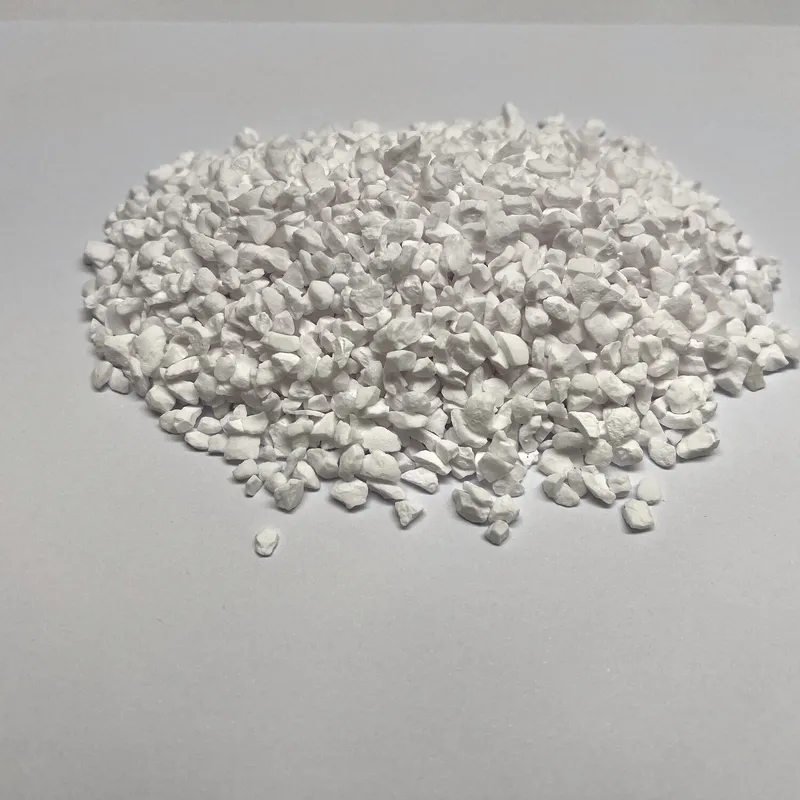
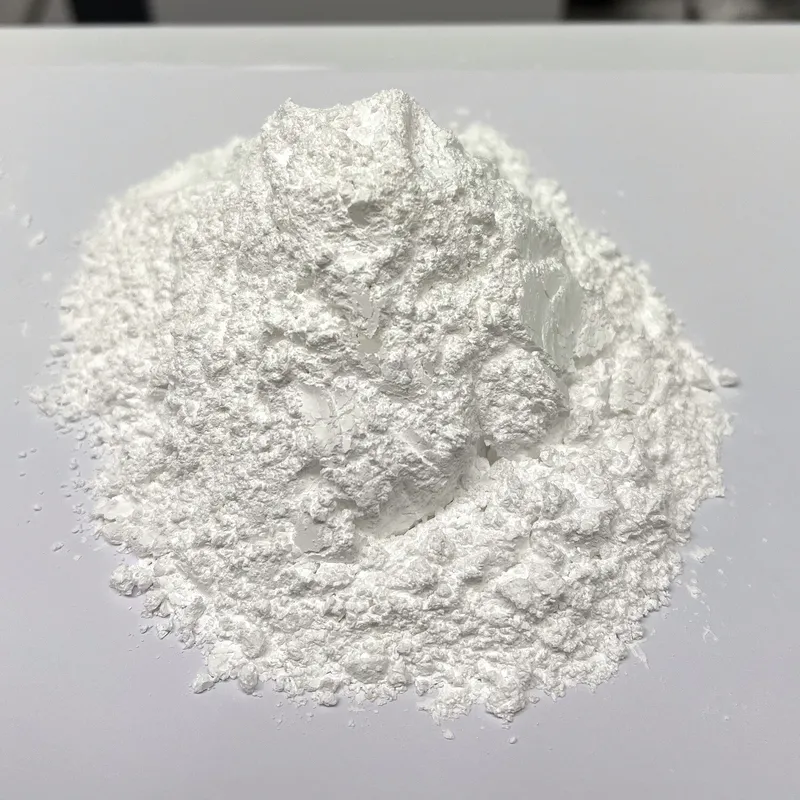
Alumina
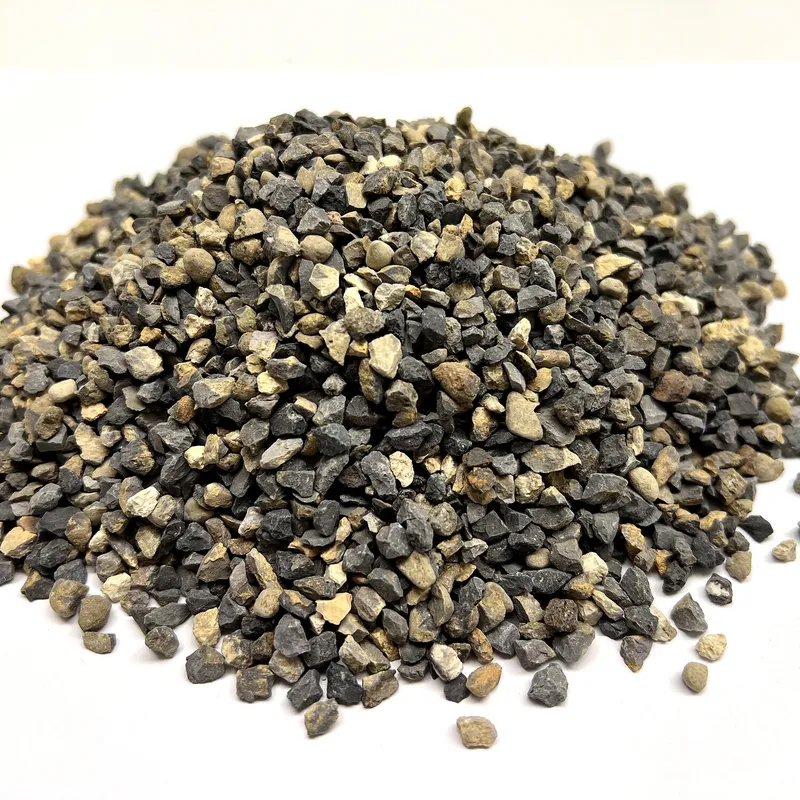
Calcined Bauxite
Calcined bauxite is produced by calcining low-iron, low-alkali bauxite at 1600–1800 °C, forming the refractory phases corundum and mullite. With low thermal expansion, excellent creep resistance and good chemical stability, it is among the most important raw materials for refractories in steel, foundry, glass and cement.
Typical Analysis
| Composition / Property | 85 | 86 | 87 |
|---|---|---|---|
| Al₂O₃ (min) | 85% | 86% | 87% |
| SiO₂ (max) | 9.0% | 8.0% | 7.0% |
| Fe₂O₃ (max) | 2.0% | 1.8% | 1.8% |
| TiO₂ (max) | 4.0% | 3.8% | 3.8% |
| K₂O+Na₂O (max) | 0.30% | 0.25% | 0.25% |
| CaO+MgO (max) | 0.50% | 0.45% | 0.45% |
| Moisture (max) | 0.5% | 0.5% | 0.5% |
| Density (g/cm³) | 3.13 | 3.20 | 3.25 |
Key Properties
| Phases | Corundum + mullite |
|---|---|
| Calcination temperature | 1600 - 1800 °C |
| Grain size | from 0-15 micron to 8-5 mm |