Ceramics & Porcelain
High-purity body and glaze raw materials for tile, ceramic, china and porcelain manufacturing.
- 13products
- 3articles
- 5calculators
Products
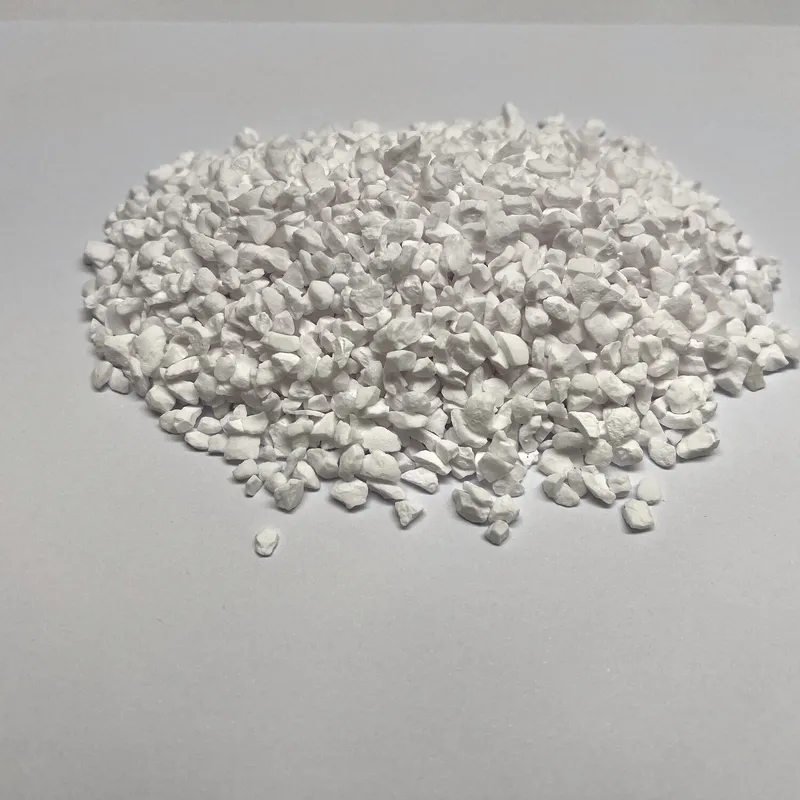
Tabular alumina is a fully sintered, densified alpha alumina produced above 1800 °C without additives. Its coarse hexagonal crystals, very low porosity, outstanding refractoriness and excellent thermal-shock resistance make it the first-choice aggregate for high-performance shaped and monolithic refractories.
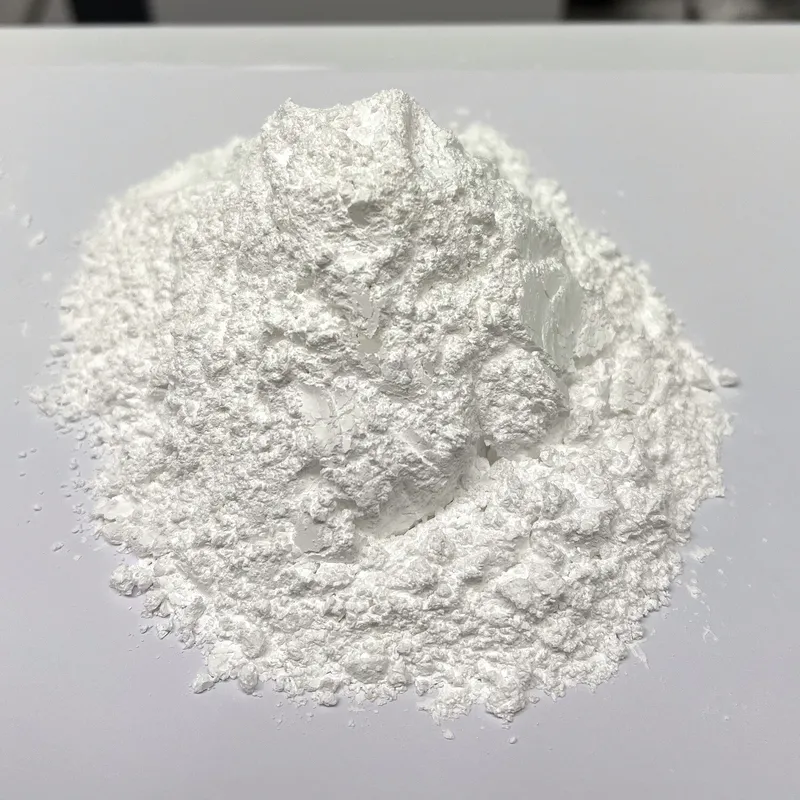
Calcined alumina is produced by calcining alumina at controlled temperatures to convert it into the stable alpha phase (5–100 %). With high purity, high thermal conductivity and refractoriness, dimensional stability and excellent abrasion resistance, it is supplied in a range of grain sizes and soda contents.
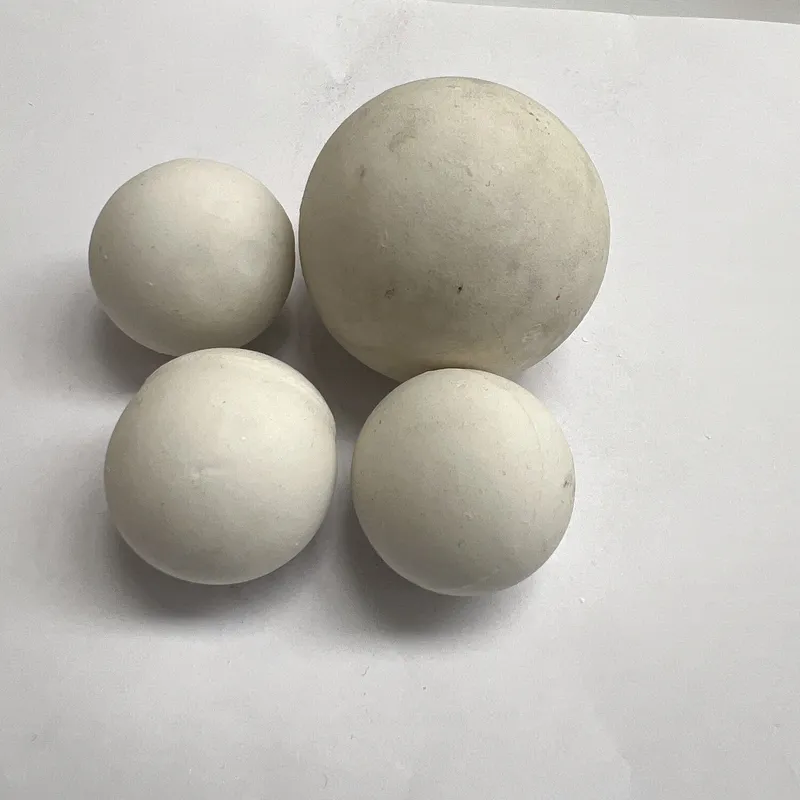
High-density alumina grinding media with a hard, smooth surface and very low wear rate. Because they abrade far less than steel or flint media, they grind ceramic bodies and glazes without discolouring or contaminating the batch.
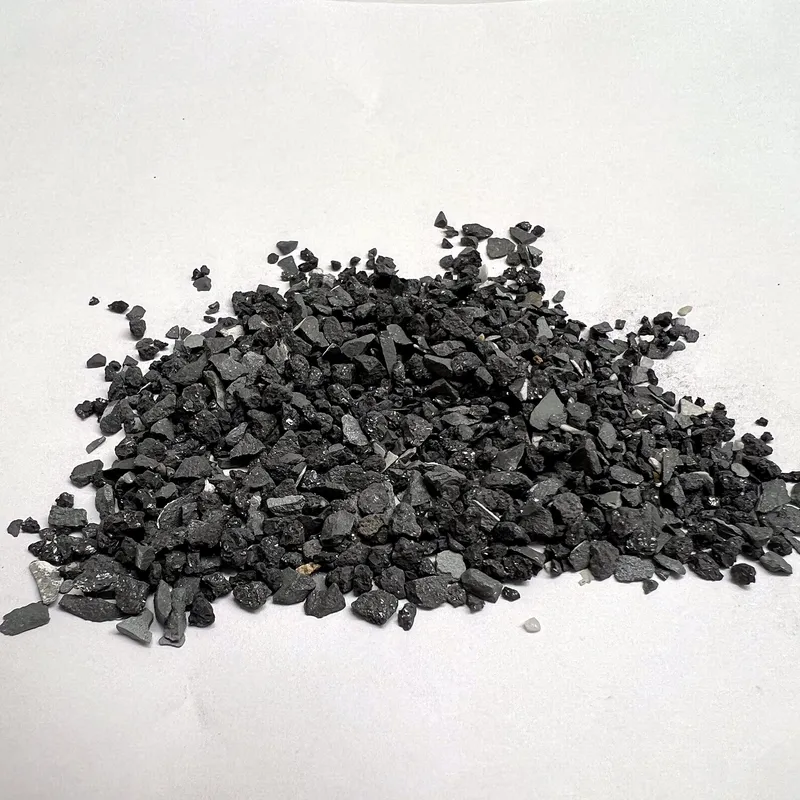
Silicon carbide combines very high hardness, high thermal conductivity, low thermal expansion and strong resistance to oxidation, slag and thermal shock. It is a key additive and aggregate in refractories for blast furnaces, ladles, kilns and incinerators, and is widely used as an abrasive.
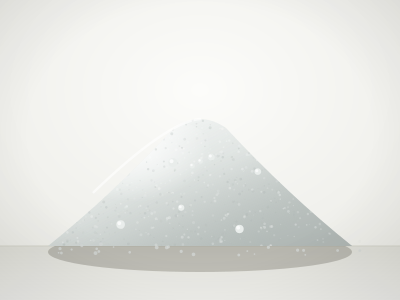
Zircon offers high refractoriness, very low thermal expansion, excellent resistance to molten metal and slag, and high opacity. It is widely used in glass-furnace refractories, foundry moulding and as an opacifier in ceramic glazes and porcelain bodies.
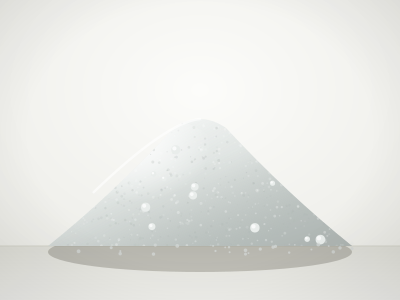
Zirconium oxide offers very high thermal and chemical stability together with outstanding toughness and refractoriness, and is used in advanced technical ceramics and specialist refractories.
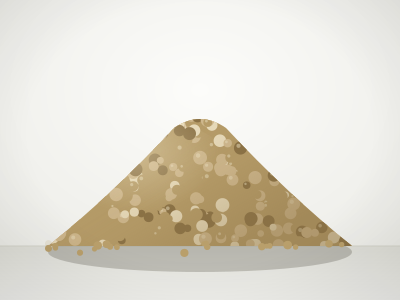
Sillimanite is a leading raw material for high-alumina refractories and 55–60 % alumina bricks, and an important input to the china and ceramic industries. It converts to mullite and a glassy phase at around 1250 °C and has a melting point of approximately 1850 °C.
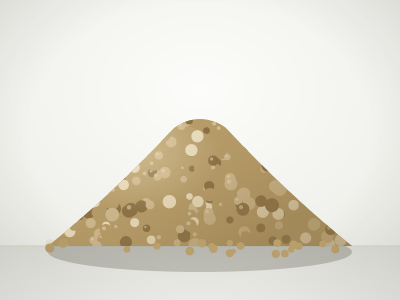
Chamotte, or calcined fireclay, is produced by calcining refractory clay and serves as the structural aggregate of fireclay bricks and castables. It is supplied in a range of alumina grades (CS and CT series).
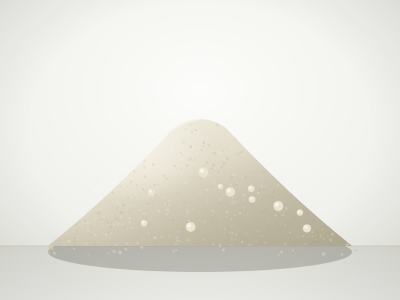
Kaolin combines high whiteness with high purity and is the principal raw material for bodies and glazes in the ceramic, china and porcelain industries, as well as for refractory applications.
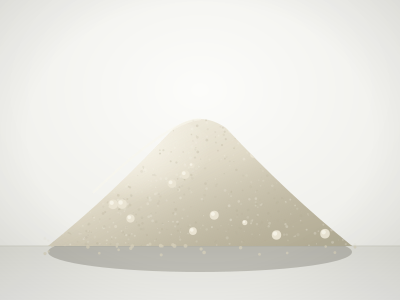
Ball clay is a highly plastic clay with excellent green strength, used to improve the workability and unfired strength of ceramic and china bodies.
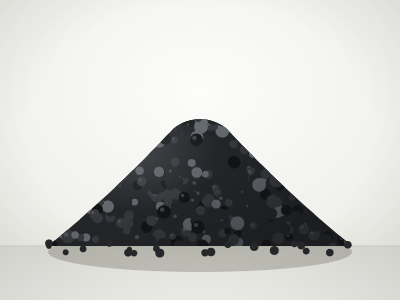
Chromite ore with a high chromium oxide content is a raw material for basic refractories, foundry applications and chemical uses.

The reference white pigment: no other white comes close to its refractive index, which is what gives paint and plastics their hiding power. Supplied in both crystal forms — rutile for light-stable exterior work, anatase for ceramics, paper and interior use — as micronised pigment grade at 99% purity.
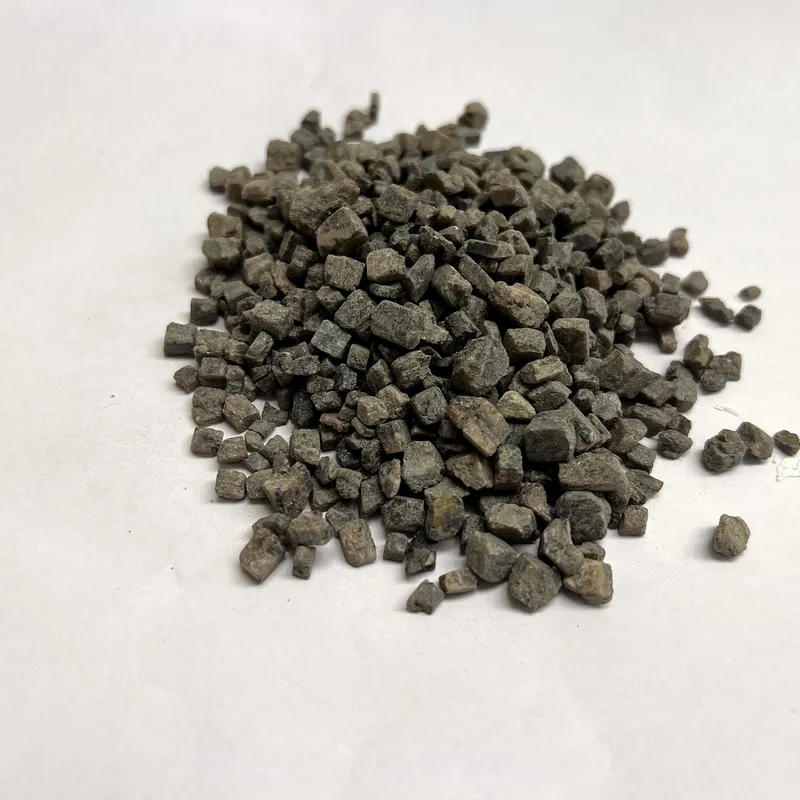
Andalusite is one of the three crystalline forms of aluminium silicate (Al₂SiO₅) in the sillimanite group and a premium raw material for high-alumina refractories. On heating it converts gradually — without sudden decomposition — into mullite and a glassy phase, and this controlled mullitisation with minimal volume expansion delivers excellent thermal-shock resistance, creep resistance and dimensional stability at high temperature.
Knowledge
A practical acceptance procedure: which documents to demand, how to sample a consignment representatively, and the impurities that decide whether a batch is usable.
6 min readA purchase specification that says only “alumina” tells a supplier almost nothing. Here is what separates tabular, calcined and reactive grades, and which one belongs where.
7 min readEvery refractory datasheet reports the same handful of numbers. Knowing what each one governs — and which important properties appear nowhere on the sheet — is what separates a real comparison from a guess.
7 min readEngineering Calculators
Calculate apparent porosity, bulk density, water absorption and apparent specific gravity of a refractory by the Archimedes method, from dry, saturated and suspended weights.
Convert a crushing load and specimen geometry into cold crushing strength in MPa and kg/cm², the standard room-temperature strength check for a refractory.
Convert between Celsius, Fahrenheit and Kelvin for furnace and thermal work. Type into any field and the other two follow immediately.
Calculate the steady-state heat flux through a refractory wall from its thermal conductivity, thickness and the temperature difference across it.
Work out how much a refractory run grows on heating, and the expansion joint needed to absorb it, from the coefficient of thermal expansion and the temperature rise.