Glass
Refractories resistant to molten glass and raw materials for glass melting furnaces — zirconia, AZS and alumina.
- 5products
- 3articles
- 3calculators
Products
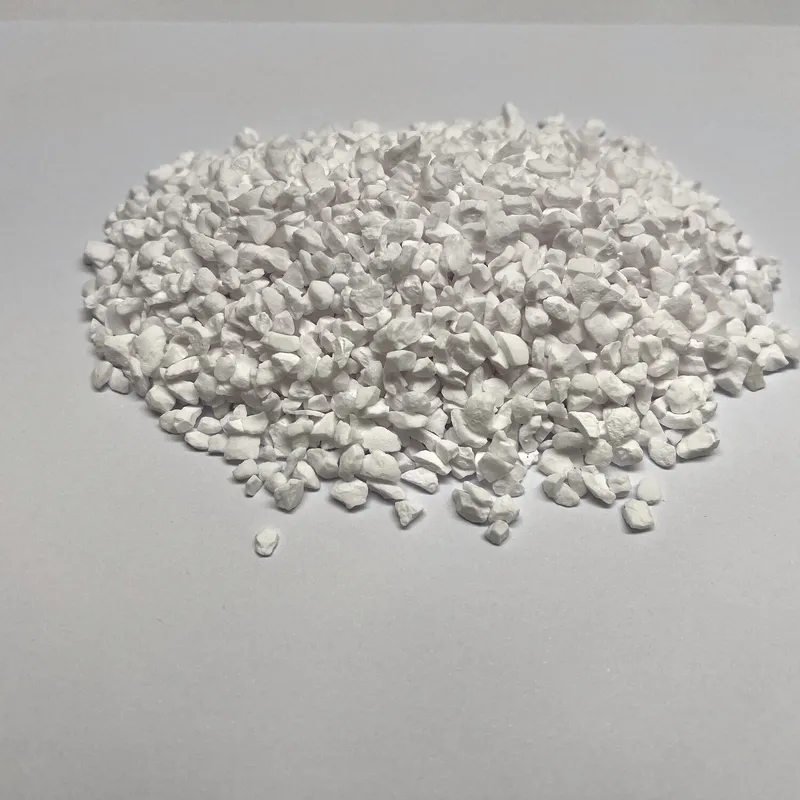
Tabular alumina is a fully sintered, densified alpha alumina produced above 1800 °C without additives. Its coarse hexagonal crystals, very low porosity, outstanding refractoriness and excellent thermal-shock resistance make it the first-choice aggregate for high-performance shaped and monolithic refractories.
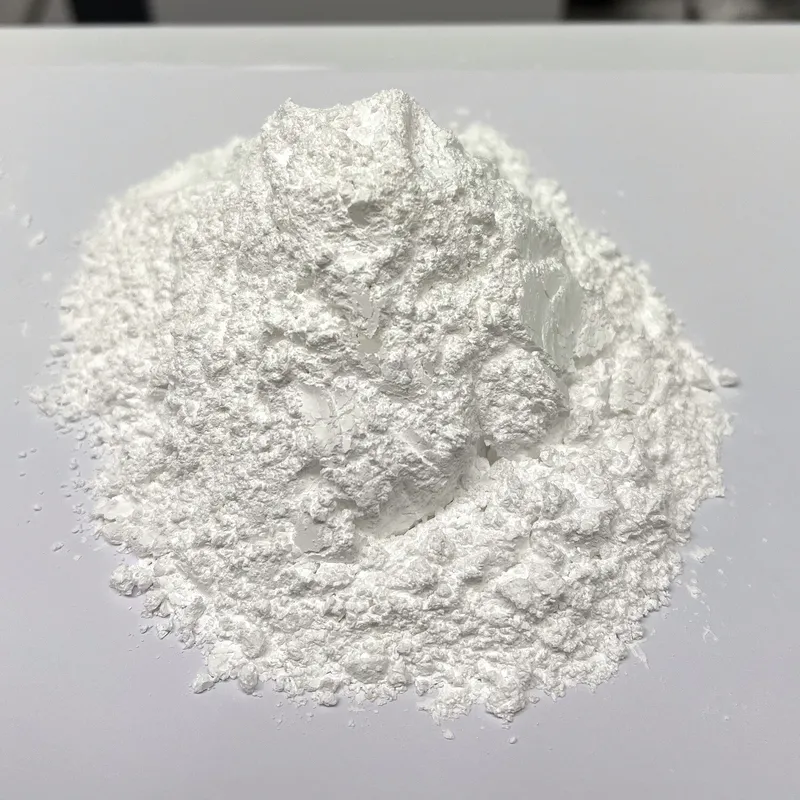
Calcined alumina is produced by calcining alumina at controlled temperatures to convert it into the stable alpha phase (5–100 %). With high purity, high thermal conductivity and refractoriness, dimensional stability and excellent abrasion resistance, it is supplied in a range of grain sizes and soda contents.
Zircon offers high refractoriness, very low thermal expansion, excellent resistance to molten metal and slag, and high opacity. It is widely used in glass-furnace refractories, foundry moulding and as an opacifier in ceramic glazes and porcelain bodies.
Zirconium oxide offers very high thermal and chemical stability together with outstanding toughness and refractoriness, and is used in advanced technical ceramics and specialist refractories.

Dead burned magnesia is produced by sintering magnesite at high temperature to yield a dense, stable periclase structure. Its high refractoriness and strong resistance to basic slags make it the backbone raw material for basic refractories in steelmaking and cement kilns.
Knowledge
Wear is not one process but three, usually acting together. Identifying which one dominates in your vessel is what makes the next material choice a better one.
7 min readA practical acceptance procedure: which documents to demand, how to sample a consignment representatively, and the impurities that decide whether a batch is usable.
6 min readEvery refractory datasheet reports the same handful of numbers. Knowing what each one governs — and which important properties appear nowhere on the sheet — is what separates a real comparison from a guess.
7 min readEngineering Calculators
Calculate apparent porosity, bulk density, water absorption and apparent specific gravity of a refractory by the Archimedes method, from dry, saturated and suspended weights.
Size the expansion allowance for a refractory lining from the material, the cold length and the temperature rise — the joint that stops a lining pushing itself apart.
Convert between Celsius, Fahrenheit and Kelvin for furnace and thermal work. Type into any field and the other two follow immediately.